
304 vs. 316 Stainless Steel Wire Mesh: Which Grade Is Better?
Neither grade is universally "better" — the right one depends on what the mesh will be exposed to.
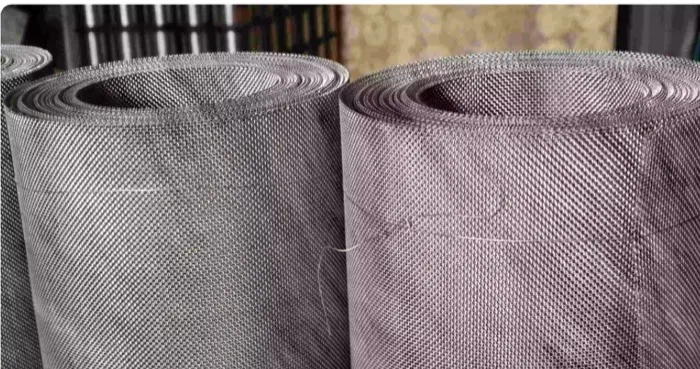
304 and 316 are the two stainless grades buyers ask about most often, and the difference between them comes down to one element: molybdenum. It's a small metallurgical change with a real effect on where each grade should — and shouldn't — be used.
The Metallurgical Difference
316 stainless adds roughly 2–3% molybdenum to the same base chromium-nickel composition as 304. That addition significantly improves resistance to chlorides and pitting corrosion, at a material cost premium over 304.
Where 304 Is the Right Choice
304 covers the majority of general-purpose filtration, indoor equipment, and dry or low-chloride environments, including food processing lines where hygienic, cleanable mesh is required but the environment isn't aggressively corrosive. It's the more economical grade and, for most buyers, the correct default until a specific exposure calls for more.
Where 316 (or 316L) Earns Its Premium
316 and the low-carbon 316L variant are worth the premium in marine or coastal installations, chemical processing, and pharmaceutical or petroleum environments where chloride exposure or aggressive chemicals would pit a 304 mesh over time. 316L's lower carbon content also reduces the risk of weld-related corrosion (carbide precipitation) in fabricated assemblies.
Choosing Between Them
Every row restates a distinction made above rather than adding a new claim — shortlist a grade here, then confirm it against the actual exposure the mesh will see.
| 304 | 316 / 316L | |
|---|---|---|
| Molybdenum | None | Roughly 2–3% added |
| Chloride and pitting resistance | Baseline | Significantly improved |
| Relative material cost | More economical | A premium over 304 |
| Choose it for | General-purpose filtration, indoor equipment, dry or low-chloride environments, and food processing lines needing hygienic cleanable mesh in a non-aggressive environment | Marine or coastal installations, chemical processing, and pharmaceutical or petroleum environments where chloride or aggressive chemicals would pit 304 over time |
| In fabricated assemblies | — | 316L's lower carbon content reduces the risk of weld-related corrosion (carbide precipitation) |
JoyLink's Stainless Steel Wire Mesh Grades
JoyLink supplies woven Stainless Steel Wire Mesh in 304, 316 and 316L, in plain, twill and Dutch weave, across mesh counts from 1 to 635 mesh and roll widths of 0.5–1.5m — so the grade decision doesn't have to trade off against weave type or mesh count availability.