
Sustainable Wire Mesh: Recyclability, Material Choice, and Waste Reduction
Wire mesh doesn't get much attention in sustainability conversations, but the material choices behind it have real end-of-life consequences most buyers never ask about.
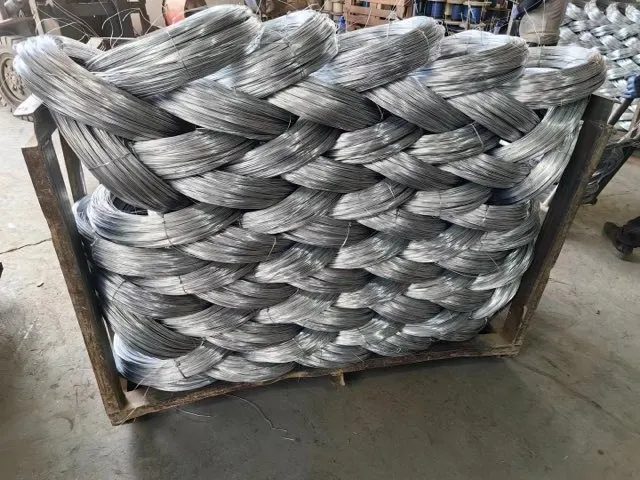
Wire mesh rarely comes up in sustainability conversations, but the metal it's made from — and the coating applied to it — has real consequences for how much of it can be recovered at end of life.
Steel and Stainless Are Among the Most Recycled Materials on Earth
Both carbon steel and stainless steel can be recycled indefinitely without losing their mechanical properties, and scrap steel is already a well-established, high-value commodity stream in most markets — unlike composite or heavily coated materials that can't be economically separated for recycling at end of life.
Where Coatings Complicate Recycling
PVC coating adds real corrosion protection in service, but recyclers have to strip or separate the polymer layer before the underlying steel can go back into the melt. Galvanizing (zinc) is generally easier to accommodate in standard steel recycling streams than a PVC coating.
Choosing Material for a Longer Service Life
The most sustainable mesh is often simply the one that doesn't need replacing early. Specifying a corrosion-resistant grade — stainless steel, or a heavier zinc coating — for a harsh environment avoids the embodied material cost and waste of replacing an undersized mesh every few years.
Waste Reduction in Fabrication
Ordering roll widths or cut-to-size panels matched to the actual job reduces offcut waste compared to buying oversized stock and trimming on site — an unglamorous but real lever buyers control at the ordering stage, not just at the material-selection stage.