
Mining Screen Mesh: Materials, Weaves, and Wear Resistance
Mining screens take constant abrasion and impact that would rack an unwelded wire mesh apart within weeks — crimping exists specifically to survive it.
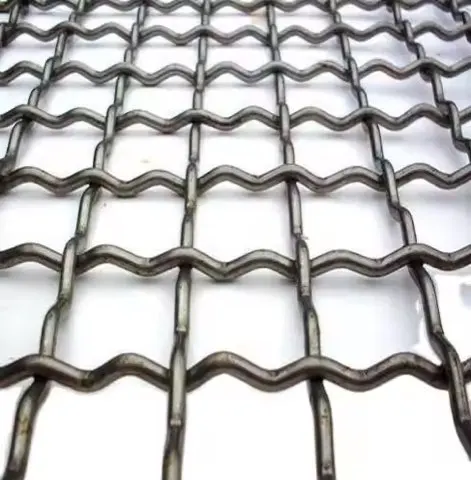
A screen deck at a quarry or mine runs continuously under vibration and rock impact loads that would work an ordinary woven mesh loose at the crossings within weeks. Crimped wire mesh exists specifically to survive that environment.
Why Crimped Mesh Is the Standard for Mining Screens
Locking each wire crossing under crimp tension stops the wire from "walking" under constant vibration — the failure mode that eventually opens up or distorts an unwelded plain-weave mesh under continuous mechanical loading. See our full guide to crimped wire mesh weave patterns for how Lock Crimp, Flat Top and Intermediate Crimp each handle this differently.
Material Choice for Abrasive Ore
Low-carbon steel is the economical default for dry aggregate screening. Stainless steel (304, 316 or 316L) earns its premium where wet ore, process water, or corrosive minerals would otherwise shorten a carbon-steel screen's service life.
Wire Diameter and Wear Life
JoyLink's Crimped Wire Mesh runs from 0.8mm to 12.7mm wire diameter. Thicker wire trades some open area for a longer wear life under continuous abrasive loading — the right tradeoff depends on whether throughput or screen longevity is the tighter constraint on a given operation.
JoyLink's Mining Screen Mesh
Supplied in full (whole-loom) or sectional weave, mesh openings from 2mm to 100mm, in low-carbon steel, stainless steel (304/316/316L) or galvanized wire — built for quarry and mining screens, vibrating screens, and other heavy-duty protective guarding duty.