
When Should You Use Galvanized Wire Mesh?
Galvanizing is the default corrosion protection for carbon-steel mesh — but hot-dip and electro-galvanized aren't interchangeable, and knowing which one applies matters.
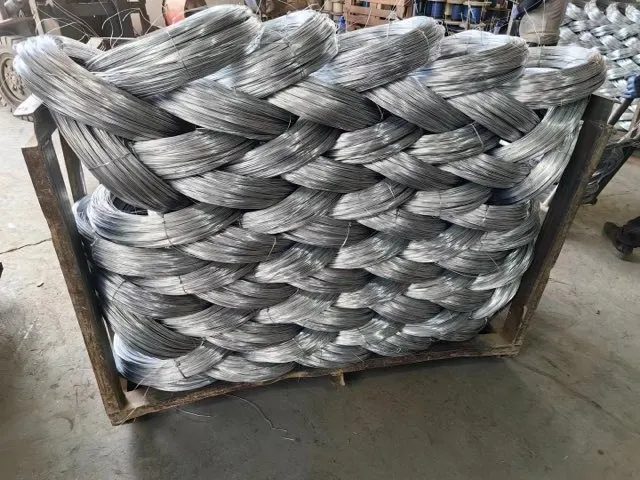
Most wire mesh isn't stainless steel — it's carbon steel with a zinc coating doing the corrosion-resistance work. That coating comes in two genuinely different forms, and picking the wrong one either overpays for protection you don't need or underprotects a mesh that's going straight outdoors.
What Galvanizing Actually Does
Zinc coats the steel and corrodes preferentially in its place — a sacrificial layer that protects the steel underneath even where the coating gets scratched, unlike a paint or polymer coating that only protects where it's intact.
Hot-Dip vs. Electro-Galvanized
Hot-dip galvanizing dips the wire in molten zinc, building a thicker, more corrosion-resistant coating with a characteristic slightly rough, matte finish. JoyLink's Welded Wire Mesh carries a hot-dip coating of 40–300 g/m², rated for 15–20 years outdoors. Electro-galvanizing electroplates a thinner, smoother, shinier zinc layer — a more economical option for general dry environments where decades of outdoor exposure isn't the requirement.
When to Choose Galvanized Over Stainless or PVC-Coated
Galvanized is the right default for outdoor or humid environments that aren't chemically aggressive — general fencing, agricultural use, construction reinforcement — where full stainless steel would be overspecified cost. Where the mesh faces chlorides, industrial chemicals, or a hygienic/food-contact requirement, that's the point to step up to stainless; where a specific decorative color matters more than raw corrosion life, PVC coating is the better fit.
JoyLink's Galvanized Options
Galvanized wire itself — hot-dip or electro — is available as a raw material in JoyLink's Wire Materials line at 0.3–5.0mm diameter. The same two finishes carry through to Welded Wire Mesh (with the specific zinc-coating weights above) and to Crimped Wire Mesh for mining and screening applications.