
Wire Mesh for Machine Guards and Safety Enclosures
A machine guard has one job — stay exactly where it's bolted, even after years of vibration and the occasional impact — which rules out most flexible mesh options.
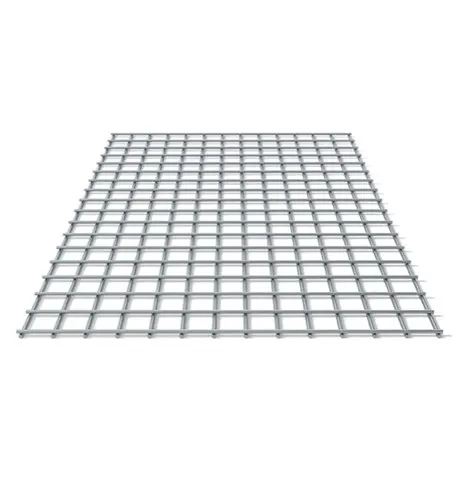
A machine guard only has to do one thing: stay exactly where it was installed, indefinitely, even after years of ambient vibration and the occasional accidental impact. That requirement rules out most flexible or woven mesh options before cost or appearance even enter the decision.
Why Welded (Not Woven) Mesh for Guarding
Welded mesh holds a fixed opening size and shape under repeated vibration because every crossing is fused rather than held by weave tension alone. A woven guard panel can rack or distort over time under the same conditions — a real risk in a safety-critical application, not just a cosmetic one.
Opening Size Near Moving Parts
The closer a guard sits to a moving part, the smaller its openings generally need to be to prevent finger or hand access — a standard machine-safety design principle independent of which mesh supplier is involved. Confirm the required opening size against the specific hazard and standard your facility's safety program follows before finalizing a spec.
JoyLink's Welded Wire Mesh for Guarding
Supplied in panel form for exactly this rigidity requirement, at wire diameters from 0.3mm to 6.0mm across low-carbon steel, stainless steel and galvanized wire — the same high-rigidity, impact-resistant construction JoyLink documents holding its shape over long-term use.
Guards, Reinforcement, and Fencing Share One Product
Machine guards, concrete reinforcement mesh and security fencing panels all draw from the same Welded Wire Mesh line — see our guide to wire mesh for construction for how the other two applications use it.