
Woven Wire Mesh vs. Welded Wire Mesh: How to Choose
The two most common ways wire mesh is made — and why the manufacturing method matters more than the material for most buying decisions.
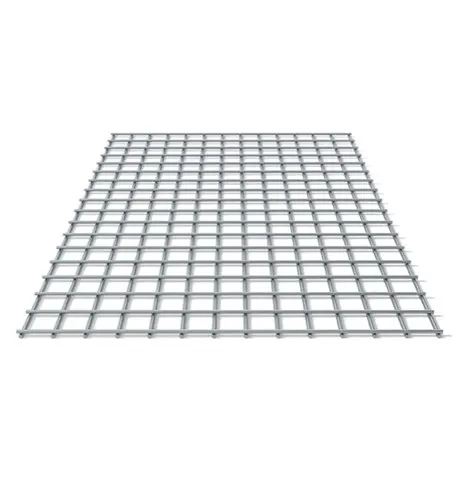
Most wire mesh buying decisions start with material and mesh size — but the more fundamental choice happens earlier: is the mesh woven or welded? The two manufacturing methods produce mesh with different strength, flexibility and precision characteristics, and picking the wrong one is a more common mistake than picking the wrong grade of steel.
How Woven Wire Mesh Is Made
Woven wire mesh is produced on a loom, the same way fabric is woven, with warp and weft wires crossing over and under each other. The wires aren't bonded at the crossings — the mesh holds its shape through the tension and interlock of the weave itself. That's what allows woven mesh to be made in very fine mesh counts and flexible rolls.
JoyLink's Stainless Steel Wire Mesh is a woven product, produced in plain, twill and Dutch weave across mesh counts from 1 to 635 mesh, in roll widths of 0.5–1.5m.
How Welded Wire Mesh Is Made
Welded wire mesh starts with wires laid out in a grid and resistance-welded at every intersection, fusing the crossing points into a rigid, dimensionally stable panel or roll. Because each crossing is fixed, welded mesh holds a precise opening size under load and won't shift or rack the way an unwelded weave can.
JoyLink's Welded Wire Mesh (Rolls & Panels) is supplied in wire diameters from 0.3mm to 6.0mm, with mesh openings from roughly 6mm to 200×200mm panels, across low-carbon steel, stainless steel and galvanized wire — used for concrete reinforcement, machinery guards, security fencing and garden/farm fencing.
Strength, Flexibility and Cost
Welded mesh is generally the stronger, more rigid option per unit of wire diameter, and it's usually the more cost-effective choice for larger openings used in structural, fencing and reinforcement work. Woven mesh trades some of that rigidity for flexibility and the ability to reach much finer, more precise mesh counts — which is why almost all fine filtration and screening mesh is woven, not welded.
Which Should You Choose?
If the job is filtration, screening, or anything needing a fine or precisely uniform aperture, start with woven mesh. If the job is structural — reinforcement, fencing, machine guarding, or anything that needs to hold a fixed shape under load — welded mesh is almost always the right starting point.
Every row restates a point made above rather than adding a new claim.
| Woven | Welded | |
|---|---|---|
| How it is made | Warp and weft wires crossed over and under on a loom, not bonded at the crossings | Wires laid out in a grid and resistance-welded at every intersection |
| What holds the shape | Tension and interlock of the weave itself | Every crossing fixed by its weld |
| Rigidity | Trades rigidity for flexibility | Stronger and more rigid per unit of wire diameter |
| Aperture | Reaches much finer, more precise mesh counts | Holds a precise opening under load; will not shift or rack |
| More cost-effective for | Fine filtration and screening work | Larger openings in structural, fencing and reinforcement work |
| Start here if the job is | Filtration, screening, or anything needing a fine or uniform aperture | Reinforcement, fencing, machine guarding, or anything holding a fixed shape under load |
| JoyLink supplies | Stainless Steel Wire Mesh — plain, twill and Dutch weave, 1–635 mesh, roll widths 0.5–1.5m | Welded Wire Mesh (Rolls & Panels) — wire 0.3–6.0mm, openings from roughly 6mm to 200×200mm panels, in low-carbon, stainless and galvanized wire |