
How to Select the Right Wire Mesh for Your Application
Dozens of materials, weaves and specs can make wire mesh feel like starting from zero every time — but the decision really only has four layers, in a fixed order.
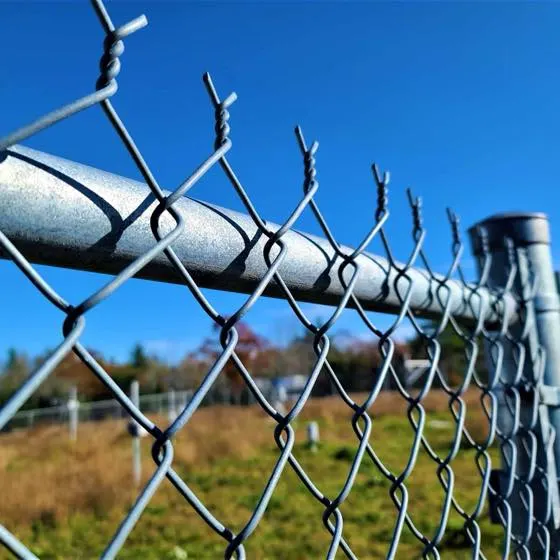
Every wire mesh spec sheet has dozens of fields — material, weave, mesh count, wire diameter, finish. It looks overwhelming until you realize most of those fields are downstream consequences of four decisions, made in a fixed order.
1. What's It For?
Application comes first because it rules out entire categories before any spec matters: filtration and screening call for woven or crimped mesh; fencing and structural work call for welded mesh; decorative or architectural work opens up perforated metal as an alternative to wire mesh entirely. See our Solutions pages for how JoyLink's own product lines map to specific industries.
2. What Environment Will It Face?
Indoor and dry, outdoor and humid, marine or chemical, or food-contact — the environment narrows the material family before you look at a single mesh count. Our material selection chart and galvanized wire mesh guide cover this decision in detail.
3. Woven or Welded?
Once application and material are set, manufacturing method decides flexibility and precision: woven for fine, flexible mesh and filtration; welded for rigid, dimensionally stable panels and structural use. See our full woven vs. welded comparison.
4. What Opening Size and Wire Diameter?
The last layer is the numbers — mesh count or aperture, and wire diameter — which is where our Resources terminology glossary and each product's own spec table take over.
Putting It Together
JoyLink's Resources page includes a "Which Product Do I Need?" table that runs exactly this four-layer logic in reverse — starting from a buying scenario and pointing straight to the matching product.